
A Better Way to Study Kanji


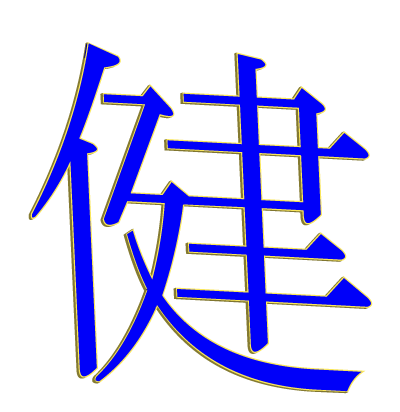
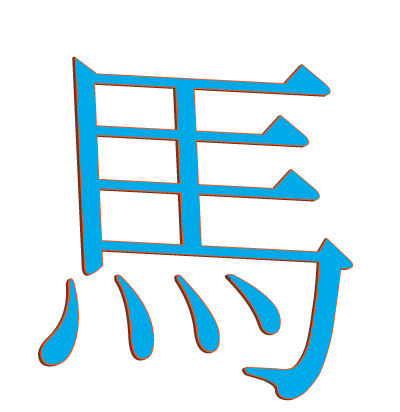





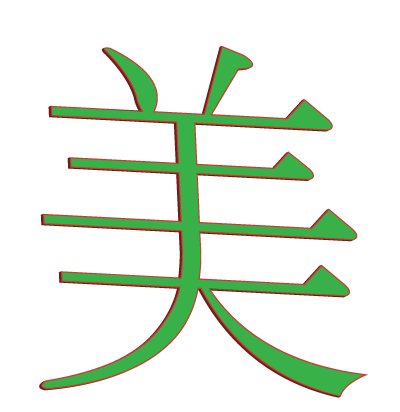
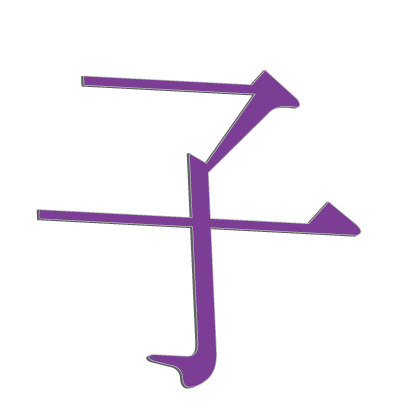
◊ There are more than
2000 kanji used
in everyday Japanese.
◊ Most kanji have
multiple readings.
◊ Japanese children spend
years and years doing
writing practice to learn.
How are
you
going to do it?
Are you looking for a
BETTER WAY
to learn kanji?
Look no further!
A few students can remember and retain kanji with ease.
They look at a kanji once or twice and they’ve got it.
They boast of learning 500 kanji in a month’s time…
Well this method isn't for them!
It's for
the REST OF US!
A method for all the people who think that learning kanji is impossible.
For all the students who have spent hours and hours memorizing only to forget older kanji as they learn new kanji.
For new students who want an
easy, methodical and better
way to learn.


◊ There are more than 2000 kanji used in everyday Japanese.
◊ Most kanji have multiple readings.
◊ Japanese children spend years and years doing writing practice to learn.
How are
you
going to do it?
Are you looking for a
BETTER WAY
to learn kanji?
Look no further!
A few students can remember and retain kanji with ease.
They look at a kanji once or twice and they’ve got it.
They boast of learning 500 kanji in a month’s time…
Well this method isn't for them!
It's for the REST OF US!
A method for all the people who think that learning kanji is impossible.
For all the students who have spent hours and hours memorizing only to forget older kanji as they learn new kanji.
For new students who want an
easy, methodical and better
way to learn.
How do Japanese students study kanji?
Japanese children study kanji gradually throughout their entire primary and secondary education. Primary students will be introduced to kanji little-by-little each grade. By the end of 6th Grade, they will know approximately 1026 kanji. Upon Graduation from high school, they should know around 2000 kanji. This article by Abe Spiegel goes into more detail on how Japanese schools introduce kanji gradually.
How do Japanese school students learn kanji? Mostly through repitition and practice. They write each kanji over and over, practicing the strokes in the proper order. There are grade-specific drill books to help with repitition. Japanese teachers will use other techniques to help the children remember, including using mnemonics, flash cards and games, along with quizes and testing.
Finally, Japanese children do a lot of reading practice, of course, in story books, textbooks, and homework, but also in the signs at school, at the station, and around town. They will see kanji on their menu in a restaurant, on their phones and computers, in game software, apps, and on the internet, and all over TV. Indeed, Japanese children encouter kanji throughout their school and home life. Being surrounded by kanji helps them to quickly learn and retain kanji.
One of the biggest advantages Japanese children have when learning kanji, however, is time. They have their entire childhood to learn. Time is a luxury that most of us do not have when it comes to learning kanji. Most non-Japanese students who are trying to learn kanji as part of their Japanese language studies will become frustrated by trying to learn kanji the way Japanese children do. Read more about it here...
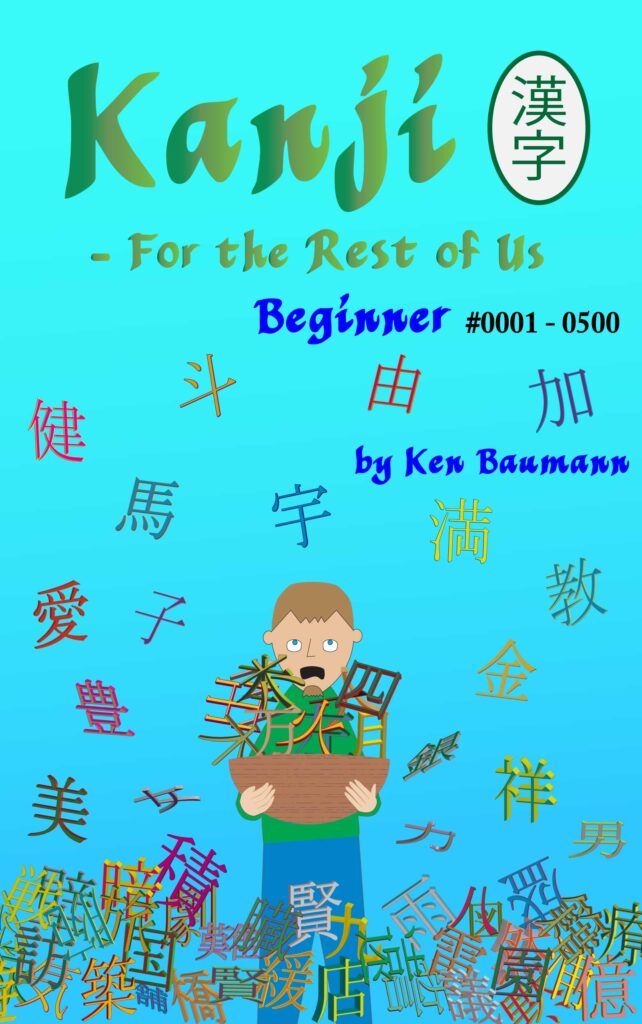
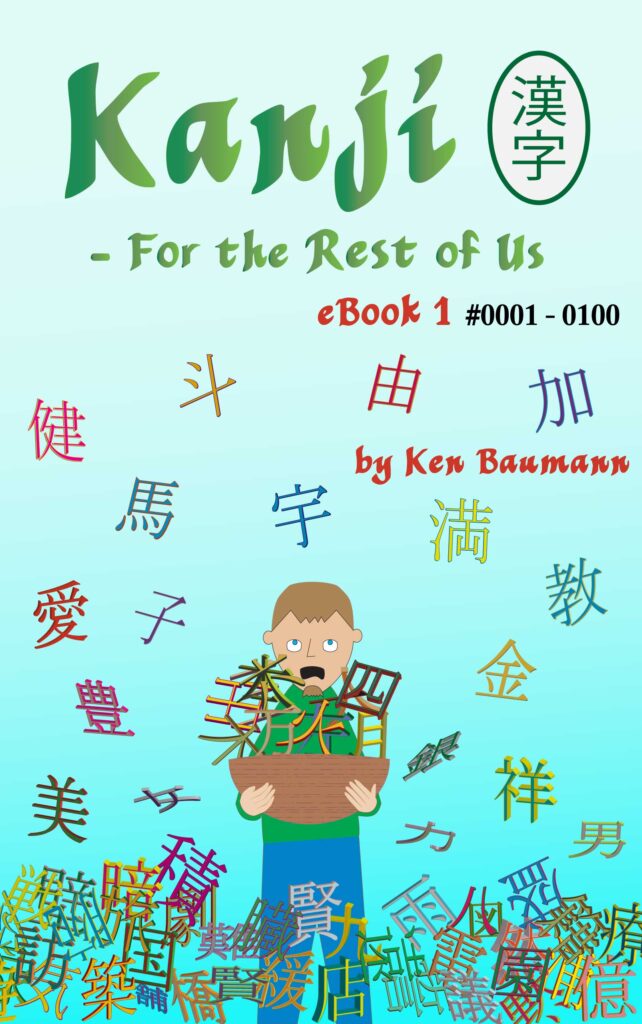
Kanji - For the Rest of Us
What do experts say about mnemonics?
There is a lot of information on the internet about how you can learn not only languages but all sorts of things through the use of mnemonics. Find out more about how and why mnemonics work as learning aids here.